
Composite Breathable Fabrics: Versatile & Durable
composite fabrics breathable fabric tpu coated fabric
Composite breathable fabrics are revolutionizing the textile industry. They combine multiple materials to enhance performance and comfort. These fabrics are designed to allow air and moisture to pass through, keeping the wearer dry and comfortable.
Thermoplastic Polyurethane (TPU) coated fabrics are a key player in this innovation. Known for their durability and water resistance, TPU coatings add a protective layer to fabrics. This makes them ideal for outdoor gear and sportswear.
Moisture-wicking fabrics are another important component. They draw sweat away from the skin, promoting quick evaporation. This feature is crucial for maintaining comfort during physical activities.
The versatility of composite fabrics makes them popular in both fashion and functional applications. From activewear to medical textiles, their uses are vast and varied. Understanding these fabrics can help consumers make informed choices.
What Are Composite Fabrics?
Composite fabrics are crafted by combining two or more materials. This combination enhances the overall performance of the fabric. Each component brings its own benefits to the table.
The creation of composite fabrics involves innovative textile engineering. Different materials offer various properties like strength, stretch, and breathability. By strategically selecting these materials, manufacturers can achieve specific functional goals.
Common components used in composite fabrics include natural fibers, synthetic fibers, and advanced polymers. These materials are blended together to produce fabrics that are both durable and comfortable. The end result is a fabric with enhanced properties not attainable with single materials alone.
Key Characteristics of Composite Fabrics:
- Improved strength and durability
- Enhanced breathability and moisture management
- Versatile applications, from fashion to functional wear
Composite fabrics continue to gain popularity due to their adaptability and superior performance. They offer unique benefits across various industries and applications.
Understanding Breathable Fabric Types
Breathable fabrics are essential in ensuring comfort by allowing air and moisture to pass through. They play a crucial role in keeping the body cool and dry. Different fabric types offer varying levels of breathability.
Natural fibers like cotton and wool are prized for their breathability and comfort. These fabrics naturally allow air circulation, making them ideal for casual wear. They are soft on the skin and provide good moisture management.
On the other hand, synthetic fibers such as polyester and nylon are also popular. They have been engineered to enhance breathability through innovative designs. These fabrics are often used in sportswear due to their moisture-wicking properties.
Common Breathable Fabric Types:
- Cotton: Lightweight and soft
- Wool: Provides warmth and regulates temperature
- Polyester: Quick-drying and durable
- Nylon: Strong and lightweight
Understanding these fabric types helps consumers make informed choices. Selecting the right breathable fabric enhances comfort in various activities. Whether for fashion or function, these fabrics offer significant advantages.
The Role of TPU Coated Fabric in Breathability
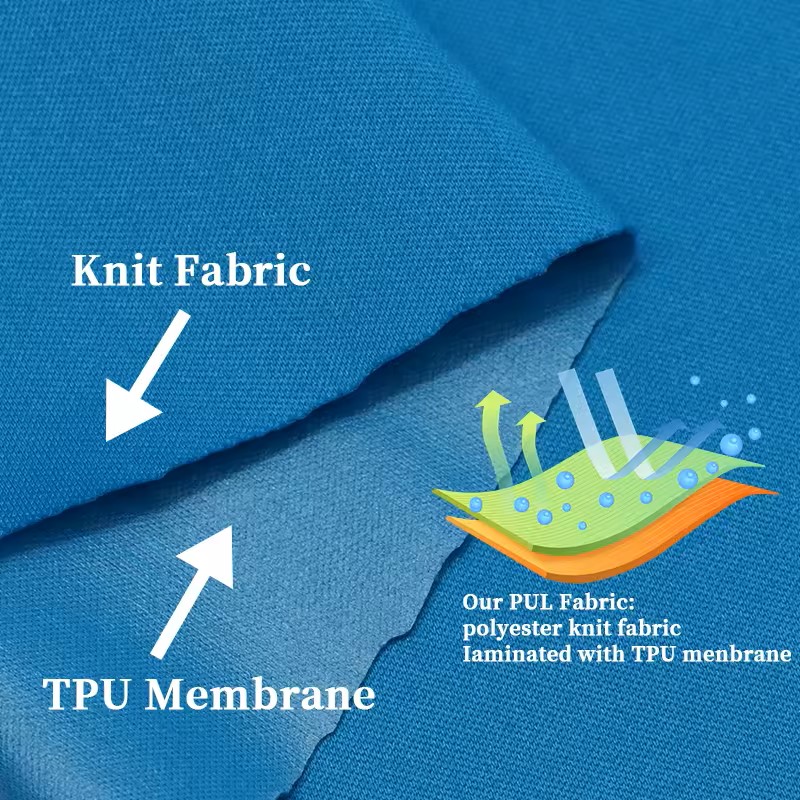
TPU, or Thermoplastic Polyurethane, coated fabric stands out in the textile industry. This fabric is often revered for its unique properties. TPU adds durability, water resistance, and flexibility to fabrics.
Coating fabrics with TPU enhances their performance, particularly in harsh environments. This coating serves as a protective layer. It guards against water, dust, and abrasion, making fabrics tough and long-lasting.
Although TPU coated fabrics offer excellent protection, they also maintain breathability. This combination is crucial for gear used outdoors. The balance between protection and comfort is key in items like rainwear and sports gear.
Benefits of TPU Coated Fabric:
- Water-resistant without sacrificing breathability
- Durable and resistant to wear
- Offers flexibility and comfort
- Easy to clean and maintain
TPU coatings enhance breathability while adding durability. These fabrics are ideal for active lifestyles and outdoor adventures. Whether in sports or fashion, their applications are vast and varied.
Key Benefits of Composite Breathable Fabrics
Composite breathable fabrics offer a range of advantages for various uses. These fabrics excel in moisture management, ensuring the wearer stays comfortable. By allowing air and moisture passage, they help regulate body temperature.
One significant benefit is their enhanced durability. The combination of multiple materials results in a fabric that withstands wear and tear. This makes them ideal for garments exposed to tough conditions.
Additionally, composite fabrics can be tailored for specific needs. They provide the right mix of breathability, stretch, and strength. This versatility benefits users across different sectors.
Advantages of Composite Breathable Fabrics:
- Superior moisture control
- High durability
- Customizable features
- Lightweight and comfortable
In summary, composite breathable fabrics offer unmatched comfort and performance. Their durability and adaptability make them a popular choice across industries. From fashion to sports, they meet diverse demands.
Applications: Where Are Composite Breathable Fabrics Used?
Composite breathable fabrics have a wide array of applications in multiple industries. Their advanced properties make them ideal for outdoor gear, where durability and comfort are crucial. Hikers and campers benefit from clothing made with these fabrics, enjoying protection in varying weather conditions.
In the medical field, these fabrics play an essential role as well. They are used in creating medical textiles that prioritize comfort and hygiene. Patients and healthcare workers appreciate the fabric's ability to keep them cool and dry.
Sportswear also relies heavily on composite breathable fabrics. Athletes benefit from the moisture-wicking capabilities that enhance their performance. The demand for such fabrics is rapidly increasing among fitness enthusiasts.
Common Applications for Composite Breathable Fabrics:
- Outdoor apparel
- Medical textiles
- Sportswear
- Protective clothing
Overall, the versatility of composite breathable fabrics makes them indispensable across different sectors. From medical to outdoor and sports, these fabrics offer the necessary comfort and performance. Their broad utility solidifies their position as a leading choice for modern fabric solutions.
Choosing the Right Moisture-Wicking and Breathable Fabrics
Selecting the perfect moisture-wicking and breathable fabric can be daunting. Each fabric offers unique properties, catering to different needs. Understanding these features will help you make informed choices.
Consider the intended use of the fabric. Are you seeking athletic wear, outdoor gear, or everyday clothing? Your purpose will guide your selection and ensure you choose a suitable fabric.
Evaluate the fabric's breathability and comfort level. Some fabrics provide excellent moisture-wicking capabilities, while others excel in thermal regulation. Knowing your personal comfort preferences is key.
Factors to Consider:
- Intended use (e.g., sports, outdoor, casual)
- Breathability and moisture-wicking capability
- Personal comfort preferences
Ultimately, the right choice depends on balancing functionality with comfort. Choose the fabric that aligns with your needs and lifestyle. Making an informed decision will enhance your overall experience with high-performance fabrics.
Future Trends and Innovations in Composite Fabrics
The textile industry is continually evolving, and composite fabrics are at the forefront of innovation. Researchers focus on enhancing fabric performance while minimizing environmental impact. This drive is leading to exciting trends.
Sustainability is becoming a core focus. Innovations in recycling techniques and biodegradable materials are paving the way for eco-friendly fabrics. Additionally, advancements in nanotechnology promise fabrics with superior properties.
Emerging Trends:
- Eco-friendly materials and processes
- Biodegradable composite fabrics
- Enhanced performance through nanotechnology
These trends are set to revolutionize fabric development. As the demand for high-performance fabrics grows, so too will the creative solutions offered by textile engineers. Embracing these innovations will shape the future of the textile world.
Composite Fabric: Eco-Friendly Performance Material