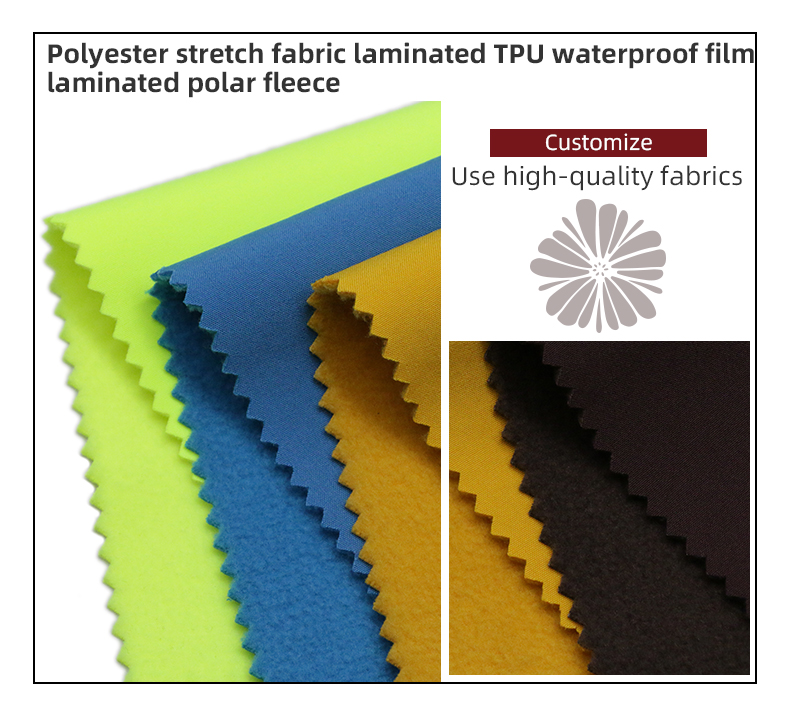
Waterproof Softshell & TPU Fabric: Durable Textile Guide
waterproof softshell fabric tpu fabric waterproof fabric
In the world of textiles, the terms "waterproof softshell fabric" and "TPU fabric" are becoming increasingly popular. As consumers seek durable and weather-resistant materials for outdoor gear and clothing, understanding these fabrics becomes essential. This article delves into what makes these fabrics unique, their applications, and why they are crucial in today's textile industry.
Waterproof softshell fabric is a versatile material designed to offer both comfort and protection against the elements. It combines the flexibility and breathability of traditional fabrics with water-resistant properties, making it ideal for outdoor activities.
Key Features of Softshell Fabric
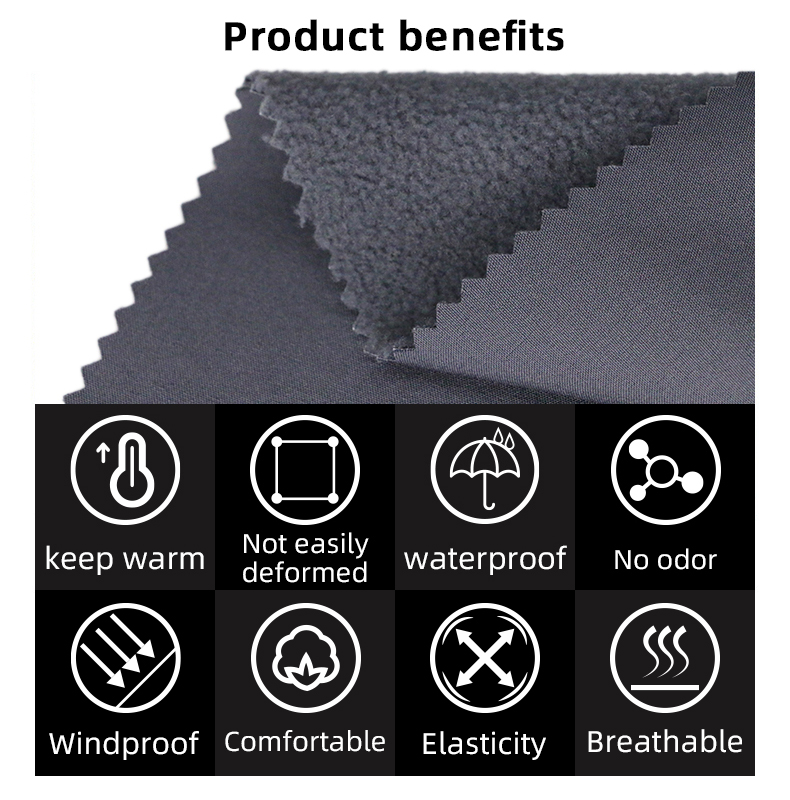
- Water Resistance: Softshell fabrics are treated to repel water, keeping you dry during light rain or snow. However, they are not fully waterproof like some hardshell jackets.
- Breathability: One of the significant advantages is that it allows moisture and heat to escape, preventing overheating during physical activities.
- Flexibility and Comfort: Unlike rigid waterproof materials, softshells offer stretch and comfort, making them perfect for active wear.
- Wind Resistance: Many softshell fabrics are also wind-resistant, providing an extra layer of protection against chilly breezes.
Applications of Softshell Fabric
Softshell fabrics are used in a variety of clothing items, including jackets, pants, and gloves. They are particularly popular among hikers, climbers, and other outdoor enthusiasts who require a balance of protection and mobility.
Diving Deeper into TPU Fabric
 TPU, or Thermoplastic Polyurethane, is another fabric gaining traction for its robust and versatile properties. TPU fabric is celebrated for its durability and adaptability, making it a staple in many industries beyond textiles.
Characteristics of TPU Fabric
- High Durability: TPU is known for its strength and resistance to abrasions, which makes it suitable for heavy-duty applications.
- Waterproof and Breathable: Like softshell fabrics, TPU can be manufactured to be both waterproof and breathable, although it often leans more towards being fully waterproof.
- Elasticity: TPU is highly elastic, allowing it to stretch significantly without losing its form, which is beneficial for products that require flexibility.
- Transparency: One of TPU's unique features is its transparency, making it ideal for certain aesthetic applications.
Uses of TPU Fabric
TPU is used in a variety of products, from inflatable boats to medical devices. In the apparel industry, it is often used as a coating or laminate to enhance the waterproof capabilities of other fabrics, including softshell materials.
Combining Waterproof Softshell and TPU Fabrics
The combination of waterproof softshell fabric with TPU coatings or laminates enhances the protective qualities of garments and gear. This fusion results in products that are not only resistant to water but also provide the flexibility and breathability needed for comfort.
Creating the Perfect Softshell Jacket

When designing a softshell jacket, manufacturers often use TPU to laminate the inner or outer layers of the fabric. This process not only increases the waterproof properties but also helps maintain the jacket's breathability and comfort.
Enhancing Outdoor Gear
In outdoor gear, such as tents and backpacks, the use of TPU coatings on softshell fabrics ensures that these products can withstand harsh weather conditions while remaining lightweight and easy to carry.
The Importance of Waterproof Fabrics in Today's Market
With the growing trend of outdoor activities and the demand for sustainable and long-lasting products, waterproof fabrics like softshell and TPU are becoming increasingly relevant. Consumers are looking for materials that offer both functionality and environmental responsibility.
Sustainability and Innovation
Many manufacturers are now focusing on creating eco-friendly versions of these fabrics. By using recycled materials and reducing harmful chemicals in production, the textile industry aims to meet the demands of eco-conscious consumers.
Market Trends
The market for waterproof fabrics is expanding, with innovations continually improving their performance and sustainability. From everyday wear to specialized gear, these fabrics are paving the way for a new era of functional fashion.
Conclusion
Waterproof softshell fabric and TPU fabric are at the forefront of textile innovation, offering a blend of protection, comfort, and durability. Whether you're an outdoor enthusiast, a fashion designer, or someone interested in sustainable textiles, understanding these fabrics will help you make informed decisions about your next purchase.
In summary, as the demand for versatile and eco-friendly materials grows, both waterproof softshell and TPU fabrics will continue to play a vital role in the evolution of the textile industry. Their unique properties make them indispensable for a wide range of applications, ensuring they remain a staple in modern apparel and gear design.
How is a three-in-one outdoor jacket made?
Fabric Trivia