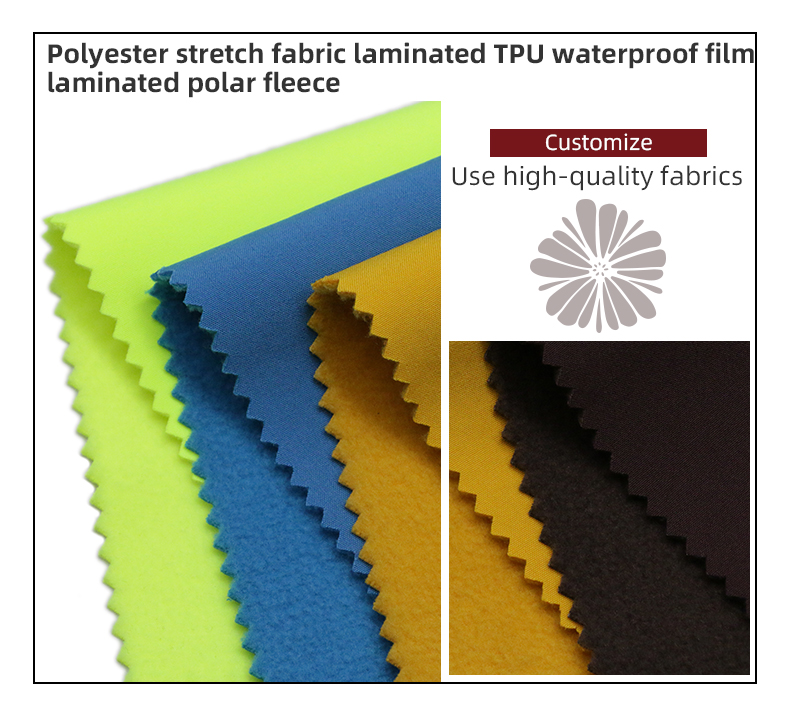
TPU Composite Fabric: Durable, Eco-Friendly & Elastic
Exploring the Benefits of TPU Composite Fabric
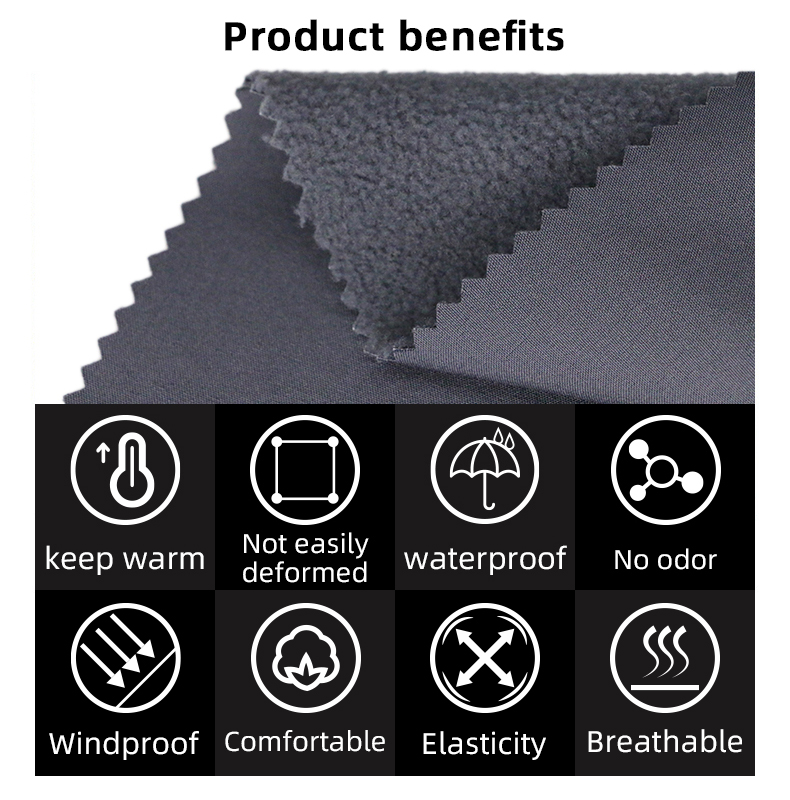
TPU composite fabric is revolutionizing the textile industry with its unique properties. Known for its elasticity and flexibility, this fabric is ideal for a wide range of applications.
It offers excellent water repellency, making it a top choice for outdoor gear and sportswear. Its durability and strength ensure long-lasting performance, even in challenging conditions.
Moreover, TPU composite fabric is eco-friendly, often made with sustainable practices. This makes it an attractive option for environmentally conscious consumers and manufacturers.
What is TPU Composite Fabric?
TPU composite fabric is crafted from thermoplastic polyurethane, known for its versatile material properties. This fabric combines the strength of TPU with the flexibility of fabric, resulting in a unique blend.
Its structure includes multiple layers that enhance its performance and usability. TPU composite fabric is designed to withstand harsh conditions while remaining comfortable and lightweight.
This fabric is favored for its adaptability in various products, from clothing to industrial components. Its balance of durability and comfort sets it apart from conventional fabrics.
Key TPU Material Properties
TPU material properties make it an excellent choice for diverse applications. It boasts high abrasion resistance, enhancing its longevity even in demanding environments. Its flexibility is a standout feature, allowing it to stretch and recover efficiently.
Additionally, TPU maintains its structural integrity across a wide range of temperatures. This thermal stability ensures consistent performance in both hot and cold conditions.
A few noteworthy properties of TPU include:
- Durability and high strength
- Water and chemical resistance
- Elasticity and flexibility
Moreover, TPU is lightweight and easy to work with, offering design versatility. Its resistance to oils and greases further expands its usability in various industries.
Advantages of TPU Composite Fabric
TPU composite fabric offers numerous advantages that make it a popular choice. Its water-repellent nature protects against moisture and liquids, providing invaluable protection for various applications. This makes it especially beneficial for outdoor gear and sportswear.
Its elasticity ensures comfort and performance, adjusting to movements without losing its shape. This elastic fabric feature is crucial for products that demand flexibility and durability. Moreover, the material is remarkably tough, withstanding wear and tear over time.
Key advantages of TPU composite fabric include:
- Water-repellent properties
- High elasticity and flexibility
- Superior strength and durability
Additionally, TPU's compatibility with different manufacturing processes makes it adaptable. It can be sewn, bonded, and even laminated, enabling tailored customization for specific needs. This versatility reinforces its position as a preferred material across industries.
Applications Across Industries
TPU composite fabric is a versatile material with wide-ranging applications. Its water-repellent and durable nature make it ideal for outdoor gear and protective clothing. Beyond clothing, its elasticity and strength suit industrial uses.
Industries leveraging TPU composite fabric include:
- Fashion for innovative designs
- Footwear for comfort and resilience
- Medical fields for biocompatible solutions
Eco-Friendly TPU: A Sustainable Choice
TPU composite fabric stands out for its eco-friendly characteristics. It is recyclable, making it an environmentally responsible choice. Many manufacturers prioritize sustainable practices to produce this innovative material.
In addition to being recyclable, TPU composite fabric offers a green alternative to traditional PVC. This shift helps to reduce environmental impact, promoting a more sustainable future in textile manufacturing.
Conclusion
TPU composite fabric delivers numerous benefits across industries. Its water-repellent and elastic nature, combined with eco-friendly qualities, make it a versatile choice. This modern material caters to diverse needs, contributing positively to both functionality and sustainability in textiles.
How is a three-in-one outdoor jacket made?